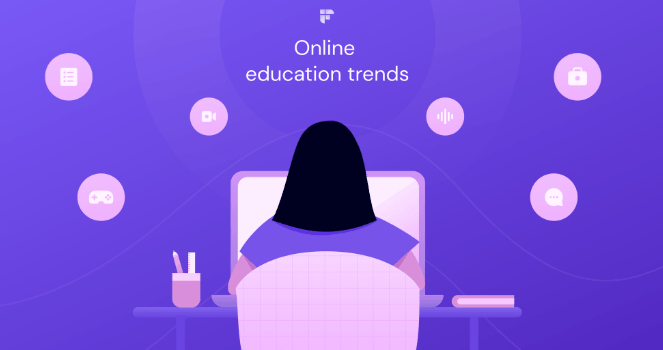
Online education trends show a sustained tilt toward hybrid models and scalable digital infrastructure. Micro-credentials and modular pathways align with workforce needs, supported by transparent crediting and portable credentials. Data-driven personalization, new assessment models, and scalable ethics standards underpin equitable lifelong learning ecosystems. Blended learning expands reach, while policy-forward frameworks enable funding alignment and quality benchmarks. The result is a more resilient, inclusive system—and questions remain about implementation speed and measurable impact.
What Online Education Trends Look Like Now
Online education trends now show a sustained shift toward hybrid models, increased investment in scalable digital infrastructure, and more sophisticated assessment and credentialing systems.
Data indicates modular pathways and micro credentials accelerate personalization within blended learning.
Policy-forward frameworks support accessible learning, lifelong learning ecosystems, and flexible assessment models, leveraging data to optimize outcomes while preserving learner freedom and modularity for diverse, autonomous trajectories.
Micro-Credentials and Modular Pathways for Skills
Micro-credentials and modular pathways are reshaping skills development by enabling targeted, stackable credentials that map directly to workforce needs.
Data show rapid adoption across sectors, fueling lifelong learning ecosystems and workforce mobility.
Policy-informed analyses emphasize transparent crediting and portability.
Micro credentials, modular pathways, and new assessment models support flexible career ladders, advancing skills while preserving learner autonomy and economic resilience.
Personalization, Data, and New Assessment Models
Personalization, data, and new assessment models are increasingly shaping online education by aligning learning pathways with individual needs while maintaining rigorous benchmarks. The approach leverages personalization strategies to tailor content, pacing, and feedback, supported by transparent data practices. Policymakers seek scalable standards, safeguarding data ethics while enabling innovation, measurement, and accountability within evolving assessment models and outcome-focused, learner-centered ecosystems.
Blended Learning and Accessible, Lifelong Learning Ecosystems
How can blended learning and accessible, lifelong learning ecosystems accelerate equitable outcomes in a rapidly digitizing landscape? Data indicate scalable access, modular credentials, and adaptive pathways that reduce barriers. Blended learning expands reach, while lifelong ecosystems sustain skill growth across sectors. Policy-forward models encourage collaboration, funding alignment, and quality benchmarks, forging freedom-centered, measurable progress toward inclusive, resilient education systems.
See also: Online Learning vs Traditional Education
Frequently Asked Questions
How Do Online Programs Address Digital Equity Gaps?
Digital programs address digital equity gaps by expanding digital access, offering subsidized devices and connectivity, and implementing modality adaptation through flexible schedules and offline options; policy-aware investments track outcomes, guiding data-driven improvements for a freedom-seeking, forward-looking learner ecosystem.
What Costs Are Associated With Micro-Credentials Long-Term?
Storm clouds part as a bar chart rises, illustrating long-term costs. The cost structure includes upfront fees, maintenance, and renewal intervals; credential lifetime spans growth, stackability, and depreciation, guiding policy-aware, data-driven decisions for an audience seeking freedom.
How Do Instructors Measure Engagement Remotely?
Instructors measure engagement remotely via remote metrics and trend analysis, balancing instructor engagement with student privacy safeguards while addressing digital equity gaps; program costs, micro credential costs, and credit transfer influence data-driven decisions and data protection considerations.
Can Online Credits Transfer Across Institutions Easily?
Online credit transfer faces uneven transferability; credit reciprocity varies by institution and policy. Data-driven analyses suggest standardized transcripts and clearer articulation agreements enable smoother mobility, aligning accreditation standards with cross-institution pathways and forward-thinking, freedom-loving learners seeking flexible options.
What Safeguards Protect Student Data Privacy Online?
Data privacy safeguards include data minimization and robust access controls; institutions implement encryption, audit trails, and breach response. It is forward-looking, policy-aware, and data-driven, balancing user freedom with accountability to ensure trust and resilient, privacy-centric online learning ecosystems.
Conclusion
The data delineate a dynamic, digitally-driven destiny: diverse, distributed degrees driving durable development. micro-credentials mold flexible futures, modular pathways map measurable milestones, and personalized plans propel persistent progress. Policy-forward frameworks foster fair funding, transparent crediting, and portable credentials, while scalable analytics sharpen student success. Blended ecosystems boost breadth and equity, data ethics guard trust, and lifelong learning lubricates labor markets. As incentives align with outcomes, education evolves into an accessible, auditable, and adaptive engine for economic resilience and inclusive growth.